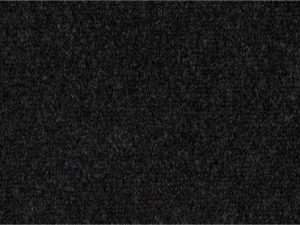


Textured Carpet is a broad category of carpet that features a variety of surface textures, adding visual interest, depth, and tactile sensation to a room. This type of carpet is often used for both aesthetic and functional purposes, offering versatility in design while providing a comfortable and durable flooring solution.
Key Features:
- Variety of Textures:
- Loop Pile: The carpet fibers are uncut, creating a smooth, durable surface ideal for high-traffic areas.
- Cut Pile: The carpet fibers are cut to different lengths, providing a soft and plush feel underfoot.
- Textured Cut Pile: Features a combination of loop and cut pile, offering a more relaxed, casual appearance.
- Frieze: A type of cut pile with twisted fibers, creating a curly or textured look, which helps to conceal footprints and dirt.
- Saxony: Known for its soft, velvety texture, but it may show footprints and vacuum marks.
- Visual Appeal:
- Textured carpets can be designed in a variety of patterns such as ribbed, herringbone, or geometric shapes, allowing for customized looks that fit modern, traditional, or transitional interior styles.
- Often used to add dimension and depth to spaces, textured carpets work well in both residential and commercial settings.
- Durability:
- Textured carpets are usually made from durable fibers such as nylon, polyester, wool, or olefin, offering resilience and longevity.
- The textured surface can help to disguise wear and tear, making it ideal for high-traffic areas.
- Comfort and Softness:
- Textured carpets provide cushioning and a soft feel, enhancing comfort and providing sound absorption, making them ideal for spaces where noise reduction is important.
- Stain Resistance:
- Many textured carpets come with stain-resistant treatments, which help to keep them looking clean even with frequent use.
- Maintenance:
- The low-profile and varied textures can help reduce visible dirt and footprints. However, regular vacuuming is needed to maintain their appearance.
- For looped or frieze carpets, cleaning can be easier as dirt tends to sit on the surface rather than getting embedded deep within the fibers.
Applications:
- Residential Use:
- Perfect for living rooms, bedrooms, and hallways where comfort, aesthetic appeal, and durability are desired.
- Textured carpets in neutral or earth tones are commonly used to create a warm, inviting atmosphere.
- Commercial Use:
- Textured carpets are popular in offices, retail spaces, and hospitality environments where both durability and style are needed.
- The variety of patterns available allows for creative, branded environments.
- High-Traffic Areas:
- Due to its ability to hide dirt and minimize visible footprints, textured carpets are often chosen for high-traffic spaces like entryways, lobbies, and corridors.
Advantages:
- Adds a sophisticated, layered appearance to any space.
- Versatile in terms of design, with options to suit both modern and traditional interiors.
- Durable and functional, especially for areas with heavy foot traffic.
Considerations:
- Some textured carpets may require more regular maintenance to keep their appearance clean, especially in lighter colors.
- Heavier textures may feel less plush compared to traditional cut pile carpets, depending on the material used.